role play toys encourage creativity and imagination
Role-play toys play a crucial role in a child’s development by encouraging creativity, imagination, and cognitive growth. These toys allow children to step into different roles, explore various scenarios, and create their own stories, fostering skills that are essential for problem-solving and social interaction. Whether it’s pretending to be a doctor, a chef, or a police officer, role-play toys provide endless opportunities for children to express themselves and develop their creative thinking.
One of the primary ways role-play toys stimulate creativity is by allowing children to invent stories and scenarios. When a child plays with a toy kitchen set, they imagine themselves as a chef preparing a delicious meal. If they use a toy doctor’s kit, they take on the role of a medical professional treating patients. These role-playing activities encourage children to think outside the box, come up with original ideas, and build narratives that enhance their storytelling skills. Through imaginative play, children learn how to construct sequences of events, make decisions, and adapt to different situations.
role play toys also help children develop problem-solving abilities. When engaging in pretend play, children often encounter situations that require them to think critically and come up with solutions. For example, if they are pretending to be firefighters, they might imagine a fire emergency and figure out how to put out the fire using their toy fire truck. These types of activities teach children how to analyze problems, evaluate possible solutions, and make decisions—skills that are valuable not only in childhood but also in real-life situations as they grow older.
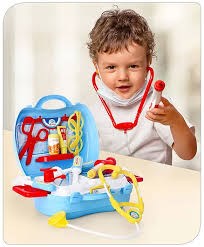
How do role play toys encourage creativity and imagination?
Playing with role-play toys often involves interaction with other children, which helps improve social and communication skills. Whether playing house, acting as shopkeepers, or pretending to be astronauts on a mission, children must collaborate, negotiate roles, and communicate effectively. This type of cooperative play teaches children the importance of teamwork, active listening, and expressing their thoughts clearly. It also helps them develop empathy, as they step into different roles and understand different perspectives.
Role-play toys provide a safe space for children to express their emotions and build confidence. When children engage in pretend play, they often mimic real-life situations, such as going to the doctor or taking care of a pet. This allows them to process emotions, express their feelings, and gain confidence in handling different experiences. For example, a child who is nervous about visiting the doctor may feel more comfortable after playing with a toy doctor’s kit and acting out a check-up. Over time, role-playing helps children build self-esteem and feel more prepared for real-life challenges.
Engaging with role-play toys also enhances cognitive and language development. As children act out different roles, they use new vocabulary, practice sentence structures, and improve their communication skills. They also develop memory and critical thinking as they recall scenarios, reenact real-life experiences, and experiment with different outcomes. These activities help lay the foundation for strong language skills, which are essential for academic success and everyday interactions.
Role-play toys are more than just entertainment; they are essential tools for fostering creativity, imagination, and essential life skills. By encouraging storytelling, problem-solving, social interaction, emotional expression, and cognitive development, these toys help children grow into confident, creative, and well-rounded individuals. Providing children with role-play toys allows them to explore the world in a fun and engaging way while developing skills that will benefit them throughout their lives.